


The Hidden Dangers of Lidocaine Cream for Tattoos
When it comes to tattoo pain management, many people turn to numbing creams for a quick fix. However, lidocaine cream — a common choice — may come with serious health risks and could even compromise your tattoo's healing process.
In this article we'll explore why you should think twice before using lidocaine cream for your tattoo session, and introduce a safer alternative that supports healing without the risks.
What is lidocaine cream?
Lidocaine cream is a topical anesthetic designed to block nerve signals in the skin. While commonly used for medical procedures and minor cosmetic work, its use in tattooing raises concerns. It can be absorbed into the bloodstream, especially when applied in large amounts or on broken skin, and the FDA has flagged lidocaine concentrations over 4% due to potential health dangers.
Health risks of using lidocaine cream for tattoos
Cardiovascular risks: In extreme cases of overuse, lidocaine can contribute to irregular heartbeat, low blood pressure, or systemic toxicity that can be life-threatening.
Central nervous system impact: High absorption can cause dizziness, confusion, or in severe cases seizures.
Allergic reactions: Some users experience severe skin irritation, redness, or rarely anaphylaxis.
Overdose risk: Applying too much cream, especially on large areas or damaged skin, increases the risk of toxicity.
How lidocaine can ruin your tattoo healing
Beyond health risks, lidocaine can interfere with healing. It can change your skin texture, making it too soft and affecting how the ink settles. By masking pain signals it can lead to poor aftercare and a higher infection risk, and it can disrupt your skin's natural barrier.
The better alternative: natural aftercare
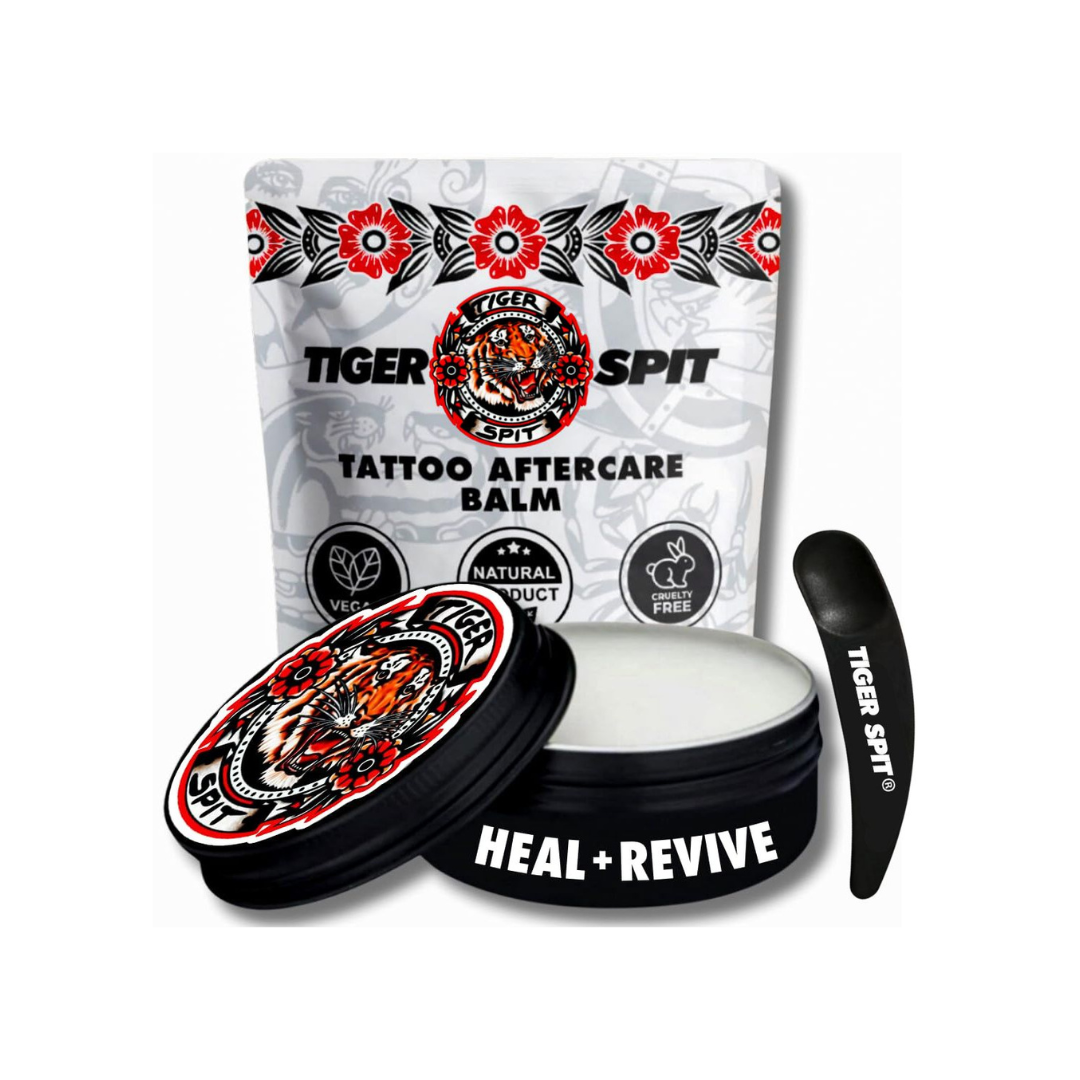
Instead of taking risks with lidocaine, choose a natural, effective aftercare solution that supports healing without dangerous side effects. Tiger Spit Tattoo Balm provides deep hydration, supports skin repair, helps protect against bacteria, and preserves vibrant color — in a lightweight, non-greasy formula.
Better ways to manage tattoo pain
Talk to your tattoo artist — they can recommend breathing techniques or short breaks. Choose natural aftercare that promotes healing without interference. And remember that the discomfort of a tattoo session is temporary, while the quality of your healed ink is permanent.
Final thoughts
A pain-free session is tempting, but the risks of lidocaine cream — from health issues to compromised tattoo quality — generally aren't worth it. Prioritize safe aftercare and long-term tattoo health. Browse the full Tiger Spit aftercare range.